Lifting Hooks and Chain Components
Rydam supplies professional lifting hooks and chain components for assembling, repairing and configuring compatible lifting-chain systems. The range includes clevis hooks, sling hooks, grab hooks, foundry hooks and connecting links in different chain sizes, grades and working load limits.
Each component must be compatible with the chain and the intended lifting arrangement. Chain diameter, component grade, connection type and working load limit should all be checked before a hook or link is added to an assembly.
Clevis Hooks for Lifting Chains
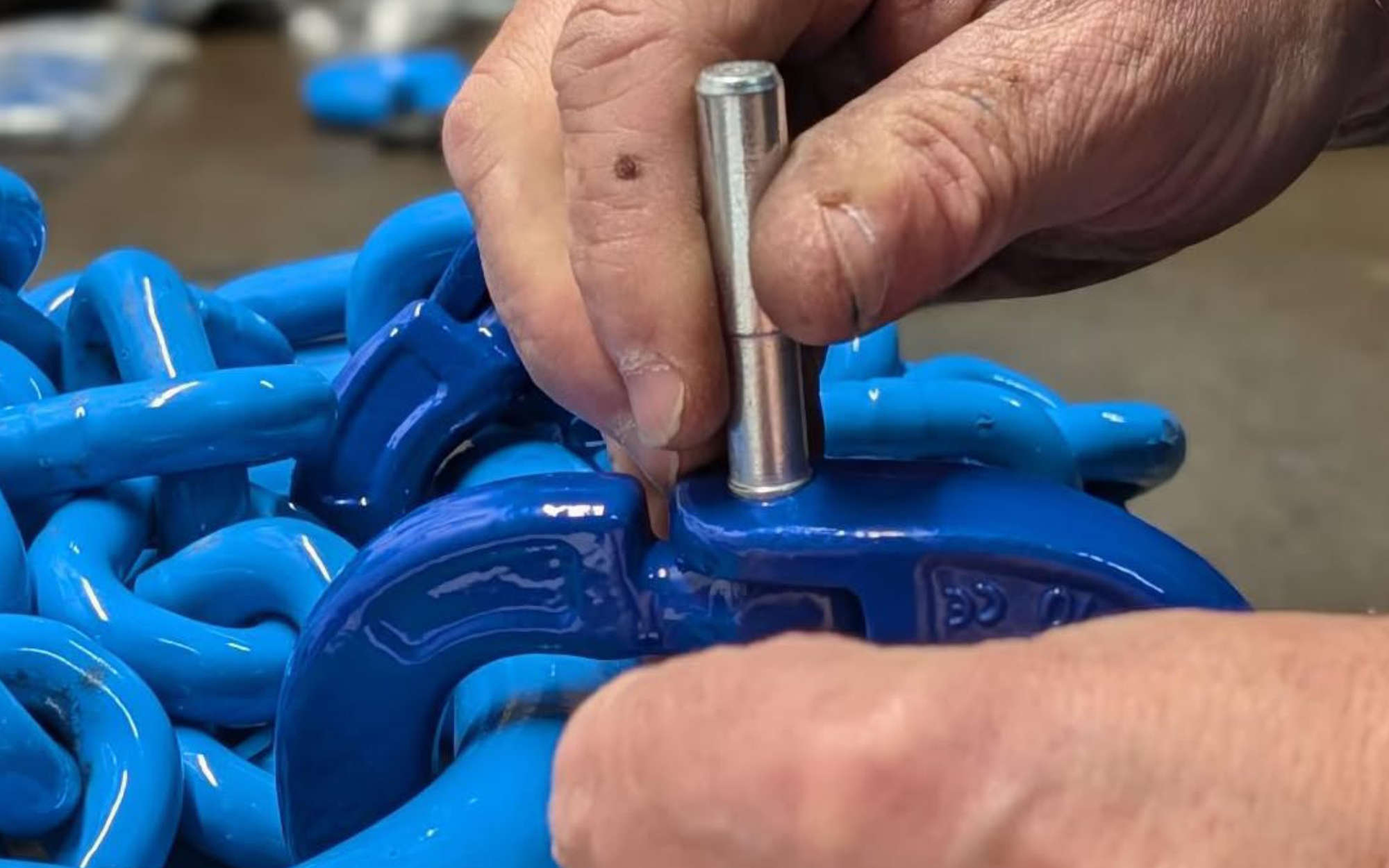
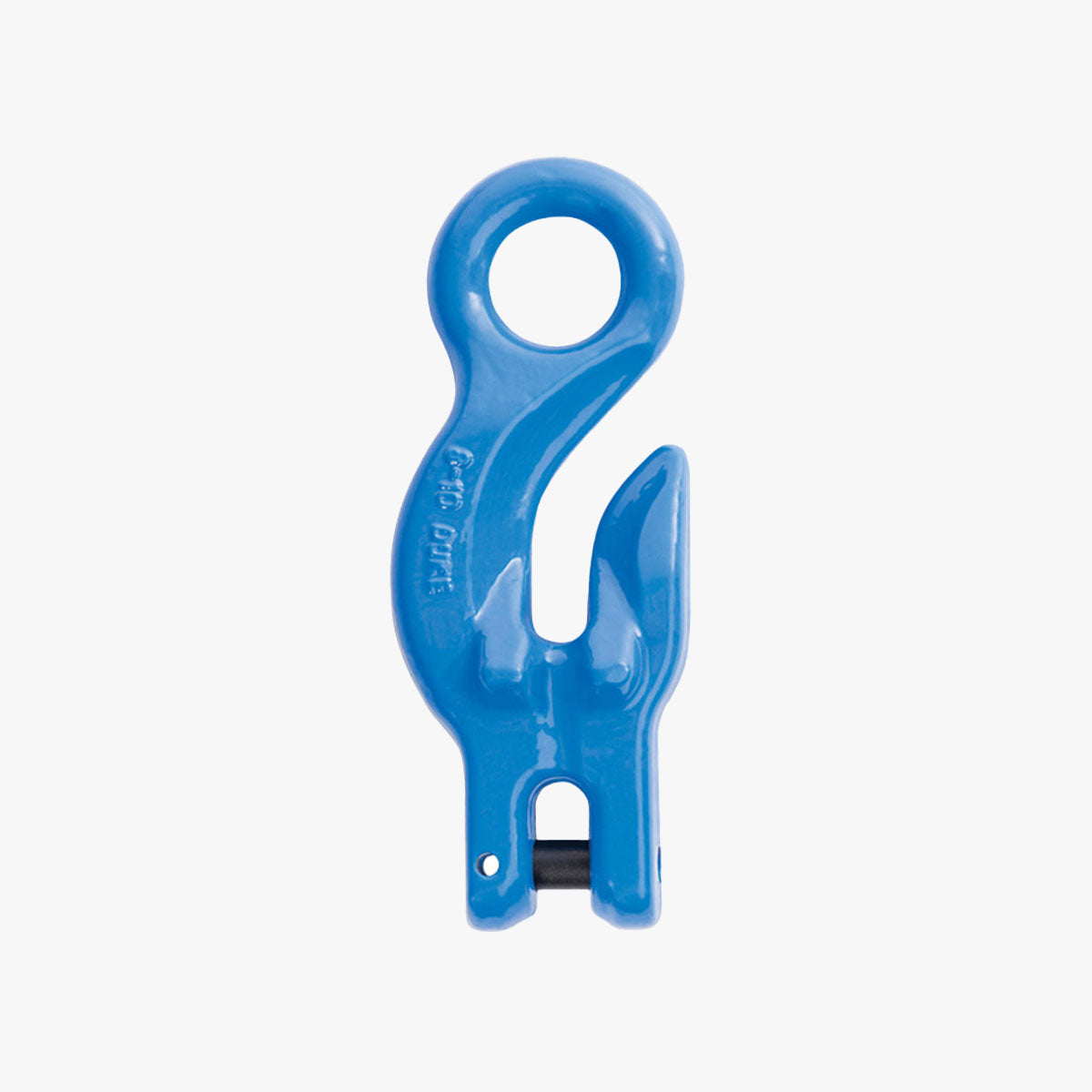
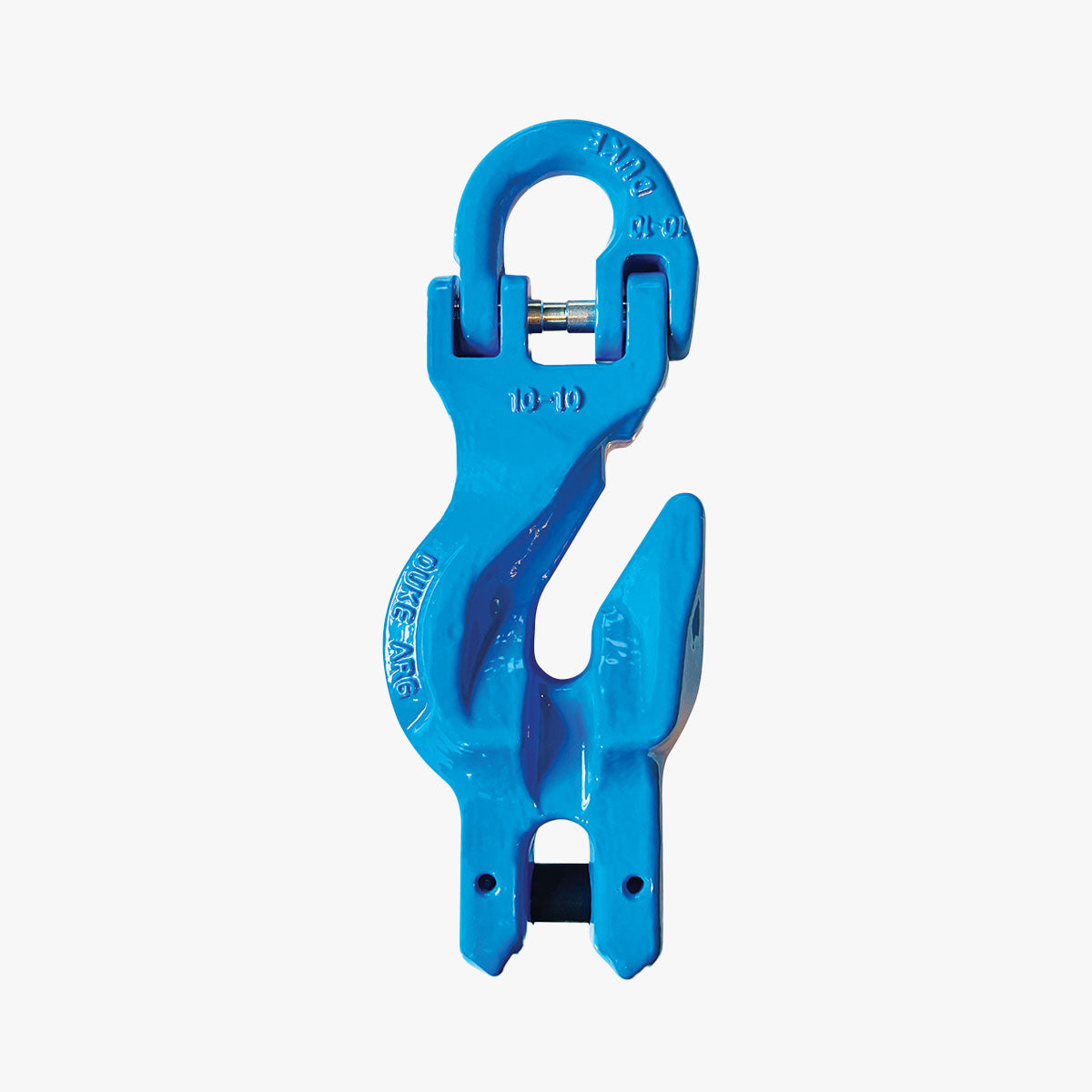
Clevis hooks connect directly to a compatible chain link using an integral clevis pin. This creates a compact connection without requiring a separate connecting link, provided the hook and chain are designed for use together.
Clevis sling hooks are commonly fitted with a safety latch to help retain the connected lifting point when the chain becomes slack. Clevis grab hooks are designed to engage with compatible chain links and can be used to shorten or configure a chain assembly when permitted by the product specification.
Sling, Grab and Foundry Hooks
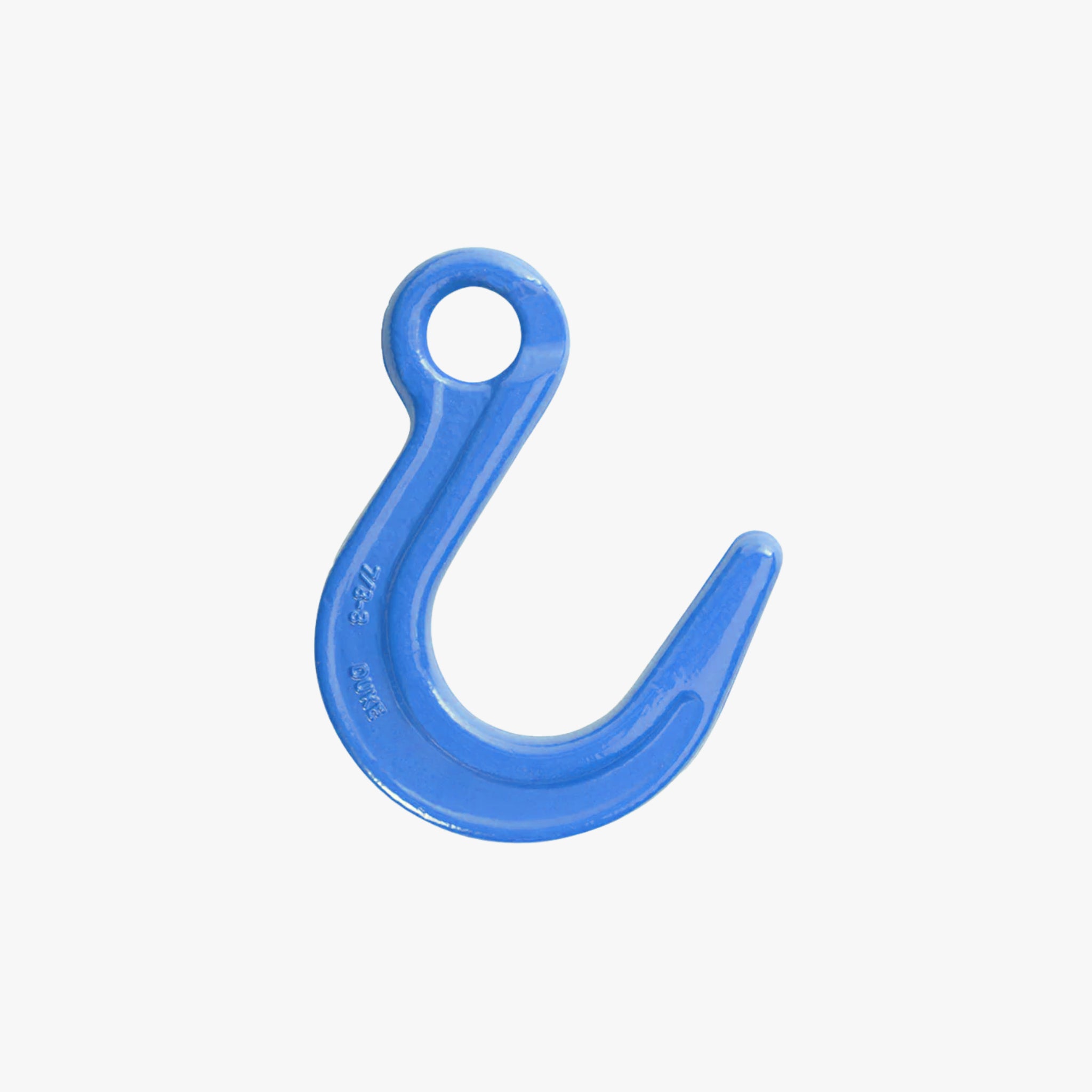
Different chain hooks are designed for different connection methods. Sling hooks provide a general-purpose attachment point, while grab hooks engage directly with an appropriate chain link. Foundry hooks have a wider, open throat for specialist applications where a conventional safety-latch hook may not be suitable.
An open hook should only be used where the lifting arrangement, risk assessment and manufacturer’s instructions permit it. Never assume that hooks with a similar appearance have the same capacity or intended application.
Connecting Links and Chain Components
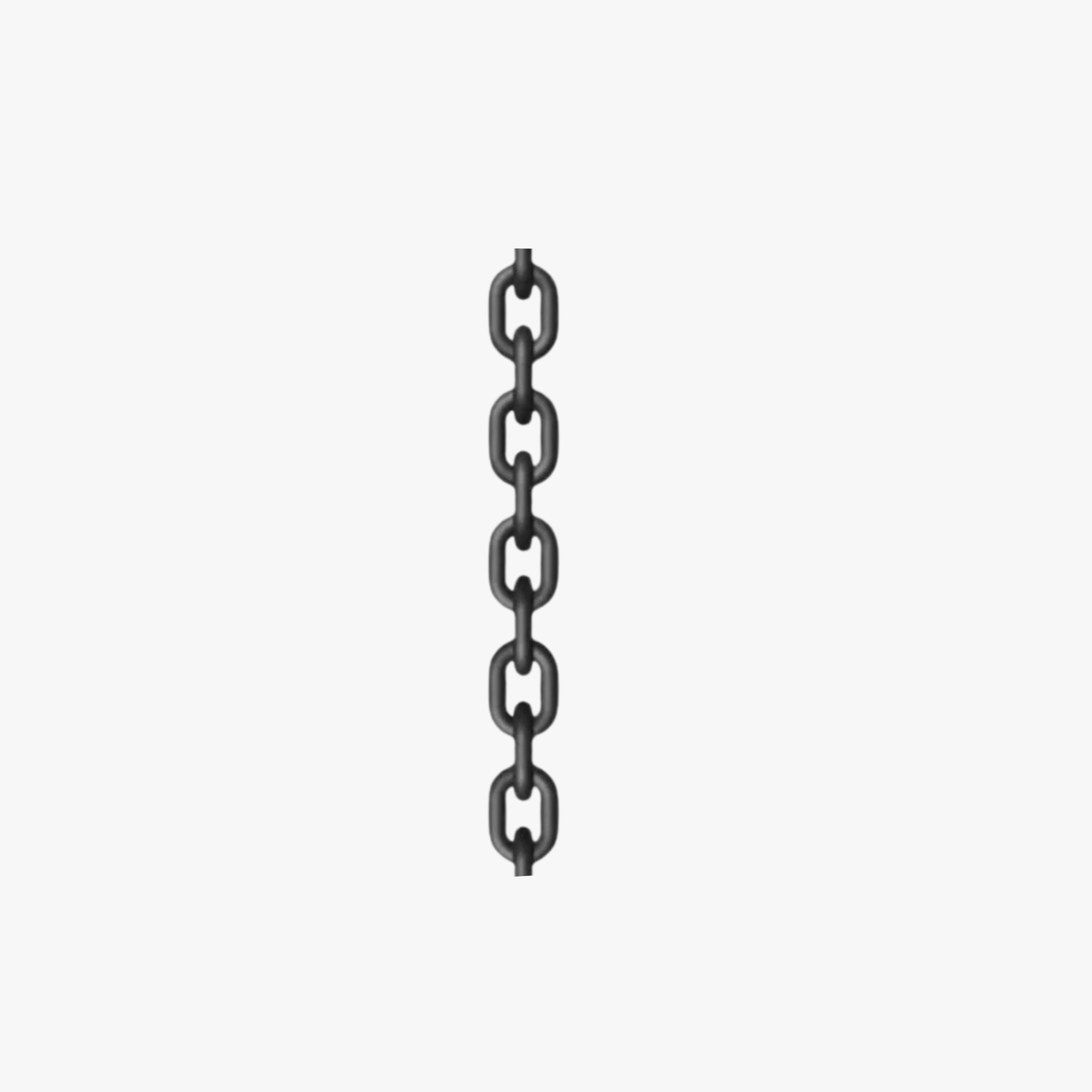
Lifting-chain connecting links are used to join compatible hooks, master links and other components to a chain assembly. They provide a versatile connection where a direct clevis fitting is not available or appropriate.
When selecting a connecting link, check its grade, working load limit and compatible chain diameter. The complete assembly is limited by its lowest-rated component, so every hook, chain link and connector must be suitable for the intended load.
Choosing Compatible Lifting Components
Before selecting lifting hooks or chain components, confirm the following:
- The grade of the lifting chain, such as Grade 80 or Grade 100
- The chain diameter in millimetres
- The marked working load limit of every component
- The required connection, such as clevis, eye or connecting link
- Whether a safety latch is required for the application
- That the components are approved for use together
Components of different grades, sizes or manufacturers should not be combined unless their compatibility has been confirmed. Do not use an unmarked component or exceed the working load limit of the lowest-rated part of the assembly.
Inspection and Safe Use
Inspect lifting hooks and connectors before use. Remove a component from service if it shows cracking, distortion, excessive wear, corrosion, heat damage, damaged threads or an identification mark that can no longer be read. Safety latches, clevis pins and retaining components should be present, correctly fitted and operating properly.
Lifting components and load-restraint components are not automatically interchangeable. Only use a hook or connector for lifting when the product is specifically rated and identified for that purpose.
Browse our lifting chains and lifting shackles, or contact Rydam if you need help matching a hook or connecting link to your chain assembly.