Recovery Truck Winches for Professional Operators
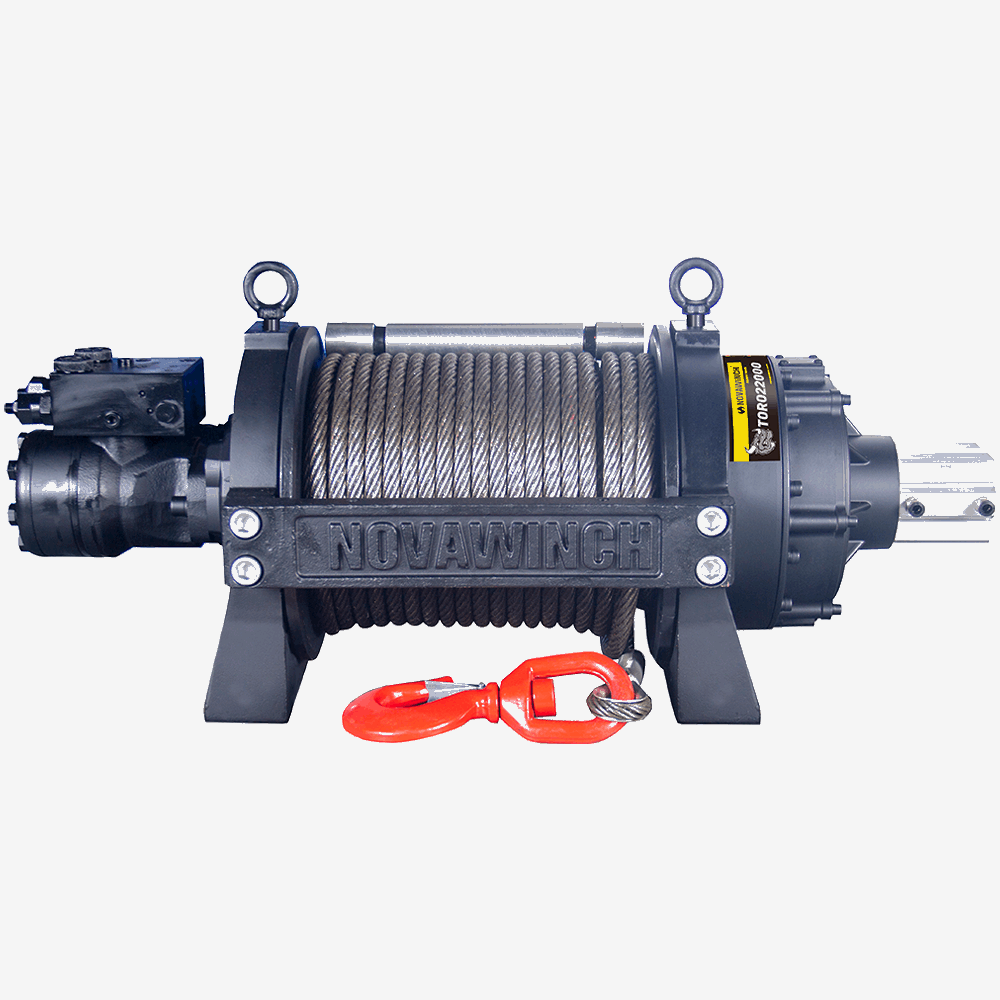
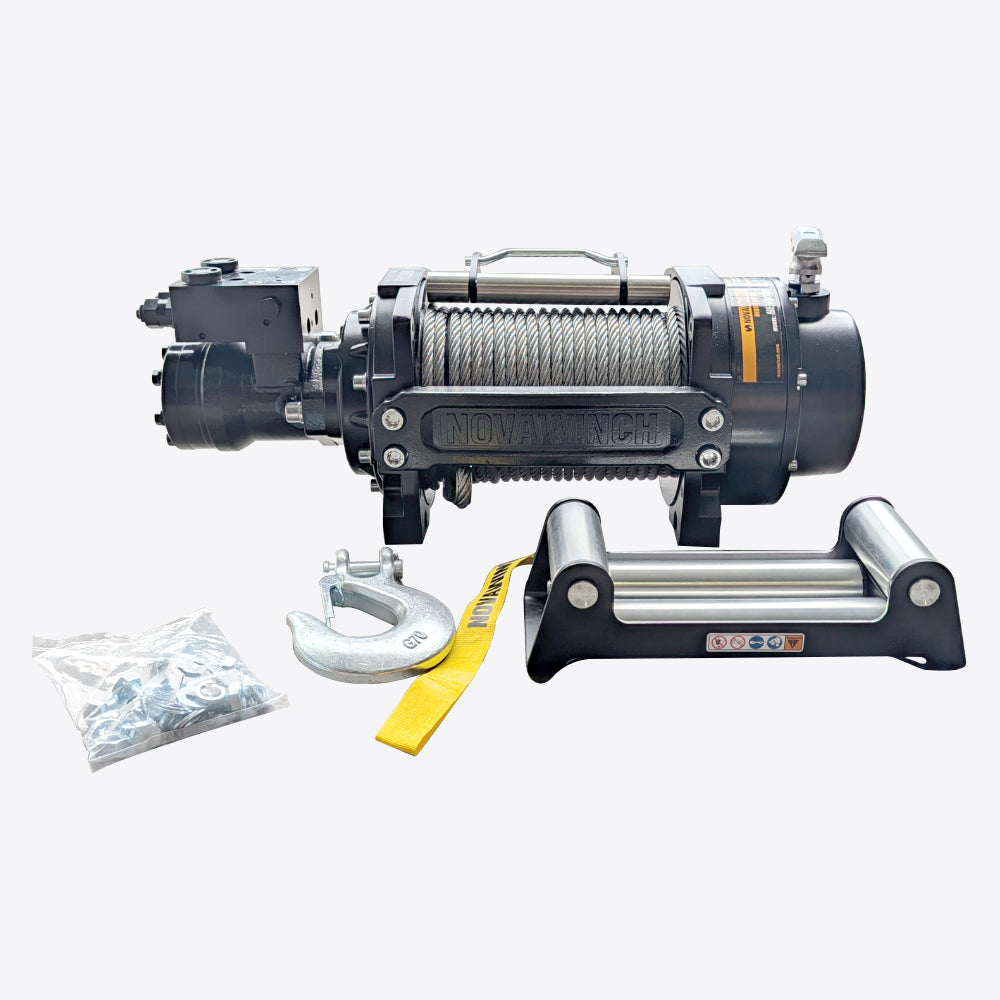
Recovery truck winches provide controlled pulling power for loading vehicles, recovering casualties and supporting roadside operations. Rydam supplies Novawinch electric and hydraulic models for breakdown trucks, tow trucks, slidebeds, lowbeds and other specialist recovery vehicles.
The collection includes capacities from 8,000lb to 30,000lb, with compact, worm-gear and EN-rated options available. Selected hydraulic models also offer manual or pneumatic clutch configurations for different vehicle installations.
Choosing a Tow Truck Winch
A tow truck winch must be selected for the vehicle, installation and expected recovery work. Rated capacity is important, but it is only one part of the specification.
Consider the following before ordering:
-
Expected recovery load: Consider vehicle weight, gradients, rolling resistance and casualty condition.
-
Power type: Decide whether the vehicle requires an electric or hydraulic winch.
-
Mounting arrangement: Confirm the available space, fixing points and structural capacity.
-
Rope specification: Check the supplied rope type, diameter, length and rated strength.
-
Clutch operation: Compare manual and pneumatic arrangements where available.
-
Controls: Review the supplied remote controls and any additional equipment required.
A professional installer should confirm that the winch, mounting structure, power supply and controls are compatible with the recovery vehicle.
Electric and Hydraulic Recovery Truck Winches
Electric recovery truck winches use a compatible vehicle electrical system to power the winch motor. The battery, charging system, cables and protection devices must be suitable for the winch manufacturer’s requirements. Browse our dedicated electric winches to compare the wider electric range.
Hydraulic models use pressurised hydraulic fluid supplied by a compatible vehicle system. Required oil flow, pressure, connections and cooling must be considered when selecting and installing the winch. View our complete range of hydraulic winches for power-specific options.
Neither system is automatically best for every recovery truck. The right choice depends on the vehicle’s existing equipment, operating requirements and expected workload.
Heavy Duty Recovery Winch Options
A heavy duty recovery winch is intended for demanding vehicle recovery applications. However, selecting the highest stated capacity does not guarantee that a winch is suitable for a particular truck or operation.
Winch ratings are determined under specified conditions. The available pulling force can be affected by rope layers on the drum, hydraulic or electrical performance, gradient and resistance from the casualty. Damaged wheels, locked brakes, soft ground and an inability to roll freely can significantly increase the force required.
Operators should follow the manufacturer’s ratings and approved recovery procedures. Seek specialist guidance when expected loads or installation requirements are uncertain.
Breakdown Truck Winch Applications
A breakdown truck winch can be used to load vehicles onto a slidebed or transporter and assist with suitable recovery operations. The mounting position, rope path and fairlead arrangement must allow the winch to operate without damaging the rope or creating unsafe side loading.
Compact winches can help where installation space is limited, while larger-capacity models may suit heavier commercial recovery work. The correct model depends on the truck design and the types of vehicles it will recover.
Winch Rope Selection and Inspection
The winch rope is a critical part of the recovery system. Steel wire rope offers durable performance in demanding environments, while synthetic rope is lighter and generally easier to handle. Both types require correct maintenance and regular inspection.
Check the rope for wear, abrasion, broken strands, crushing, heat damage or contamination before use. Replace damaged rope according to the winch and rope manufacturers’ limits. Compatible replacements are available from our winch ropes collection.
Installation and Safe Operation
Recovery truck winches should be installed by a competent professional. The mounting system must withstand the forces generated during use, and all electrical or hydraulic components must meet the manufacturer’s specification.
Before operating the winch, inspect the mounting points, rope, hook, fairlead and controls. Use rated recovery equipment and suitable attachment points. Keep bystanders clear of the tensioned rope and its potential recoil area.
Winches should not be used for lifting people or suspended loads unless specifically designed and certified for that purpose. Operators must follow their training, risk assessments and the instructions supplied with the equipment.
Buy Recovery Truck Winches from Rydam
Rydam supplies Novawinch recovery truck winches to vehicle recovery operators, commercial workshops and specialist vehicle builders throughout the UK. Product listings provide the details needed to compare capacity, power type, clutch configuration, rope specification and availability.
If you need help comparing models, contact the Rydam team with details of your recovery vehicle, power system and typical workload. We can help you identify suitable specifications before ordering.
Frequently Asked Questions
What size winch does a recovery truck need?
The required capacity depends on the casualty vehicles, gradients, rolling resistance and operating conditions. Vehicle weight alone is not sufficient. Follow manufacturer selection guidance and seek professional advice where expected loads are uncertain.
Is an electric or hydraulic winch better for a recovery truck?
Neither is universally better. Electric models require a compatible electrical system, while hydraulic models require suitable pressure and oil flow. The correct option depends on the truck, installation and expected workload.
Can a recovery truck winch be used for lifting?
A pulling winch must not be used for lifting people or suspended loads unless it is specifically designed, installed and certified for lifting. Always follow the product manufacturer’s permitted applications.
How often should recovery winch rope be inspected?
The rope should be checked before each use and maintained according to the manufacturer’s instructions. Remove it from service if damage exceeds the permitted limits or if its safety is uncertain.