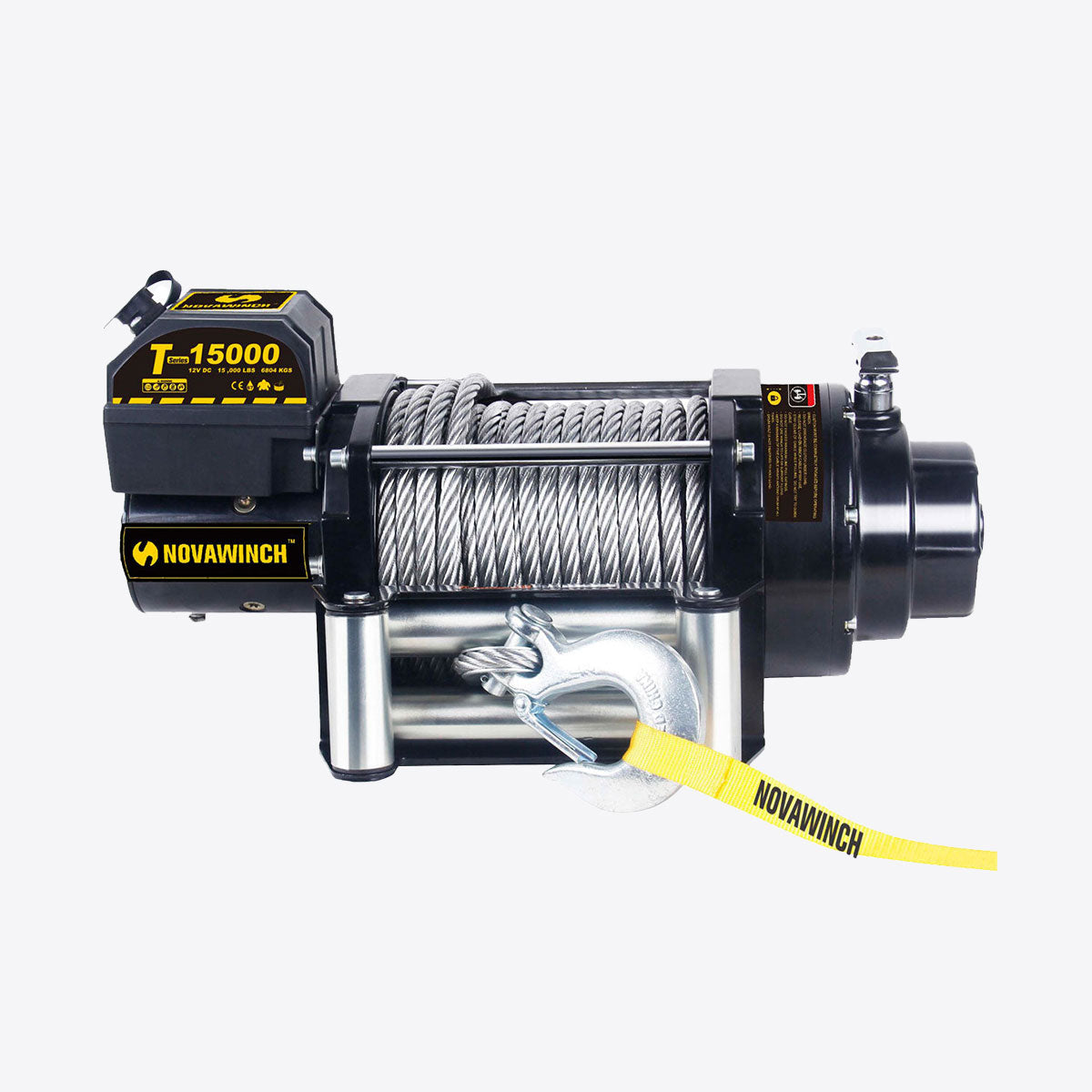
Off Road Winch Options for 4x4 Recovery
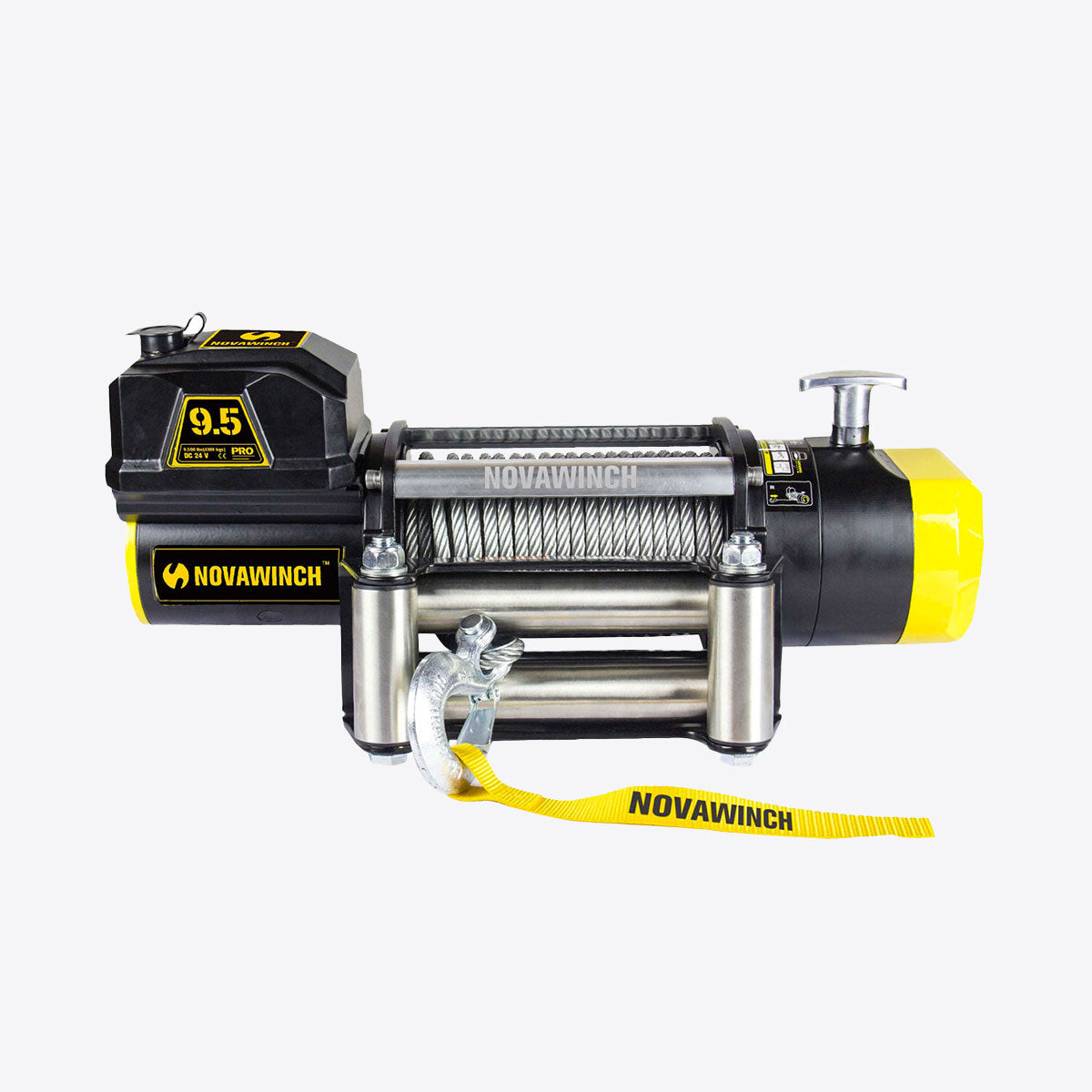
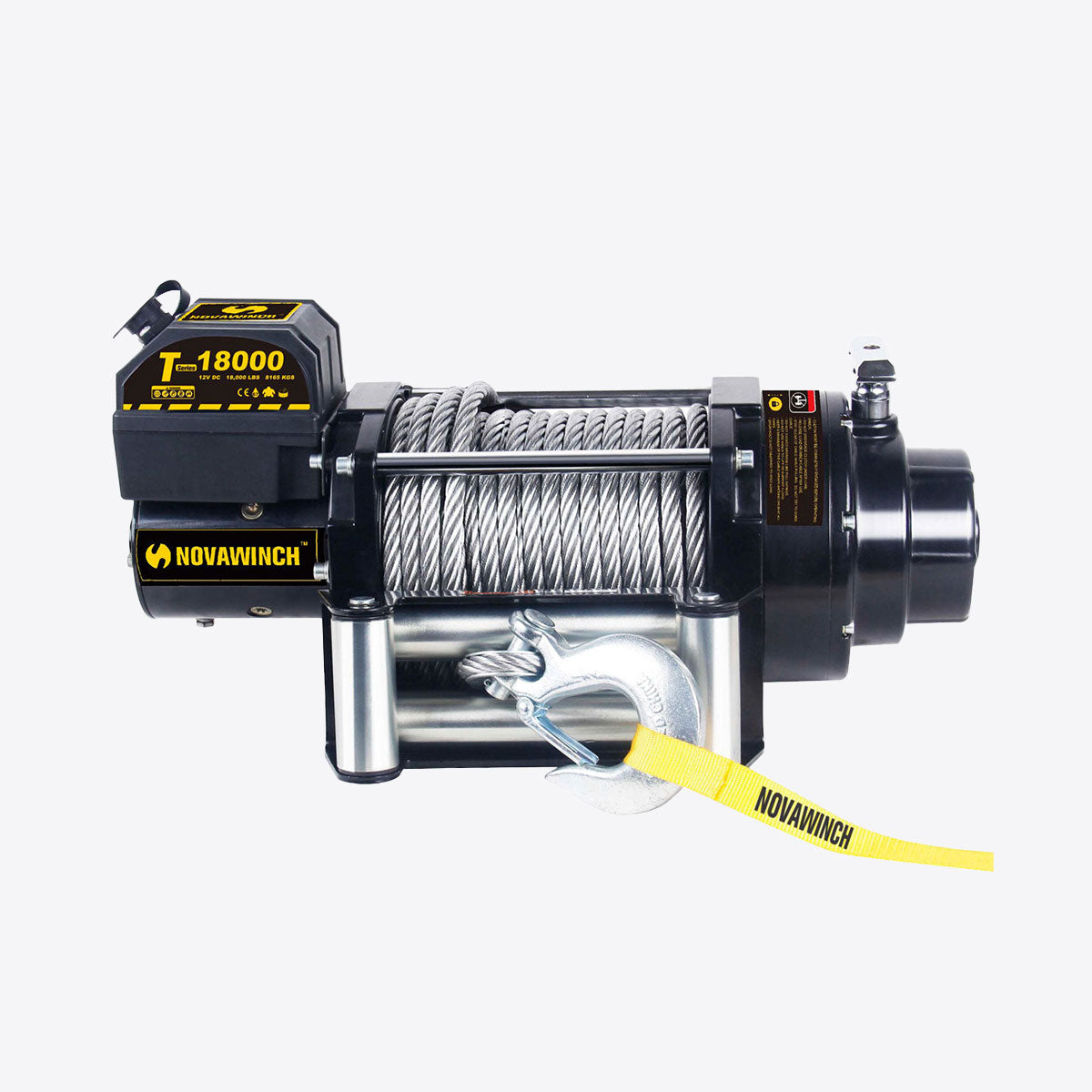
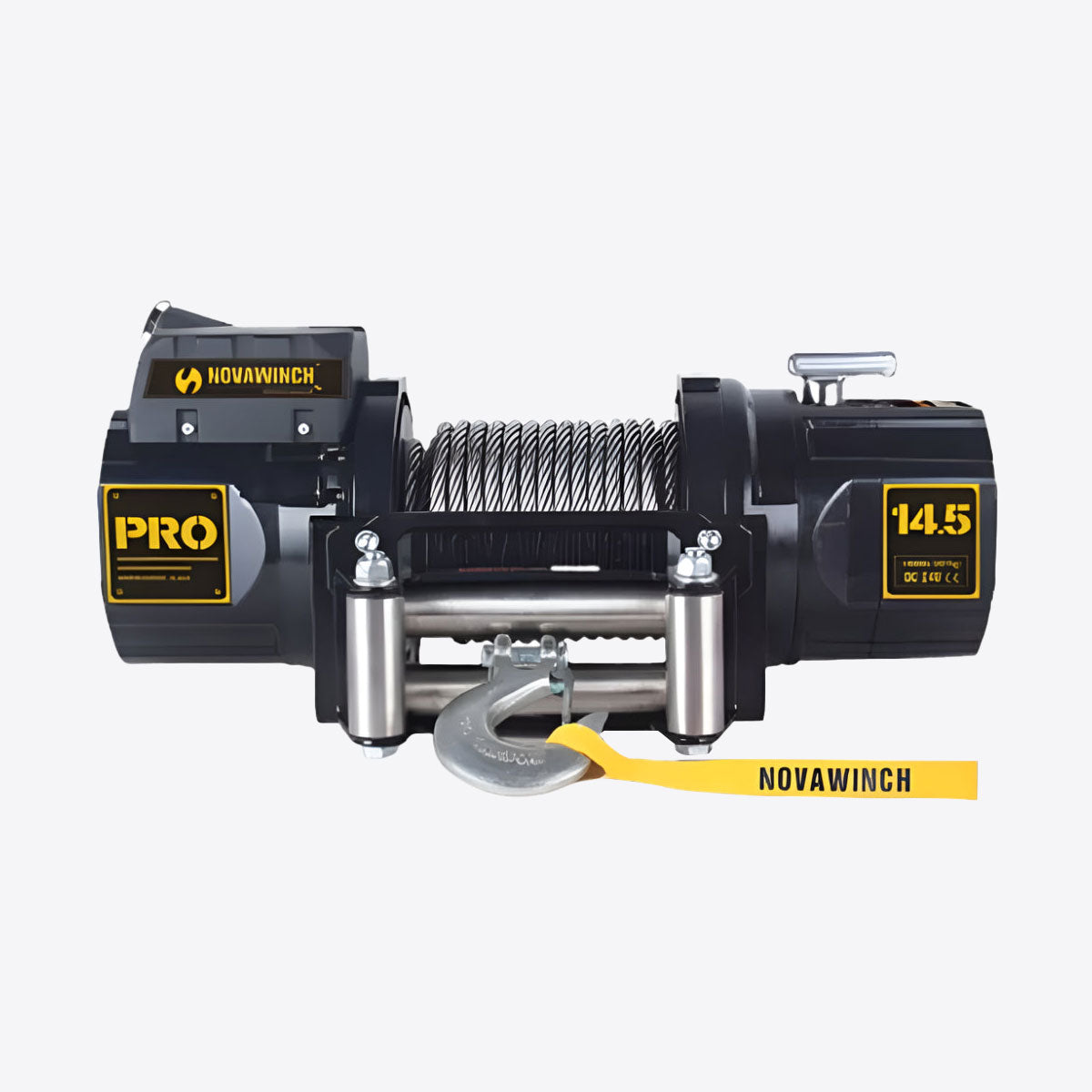
An off road winch provides controlled pulling power when a 4x4 becomes stuck or needs assistance over difficult ground. Rydam supplies Novawinch models for 4x4 recovery, vehicle loading and other demanding applications, with different voltages, capacities and rope configurations available.
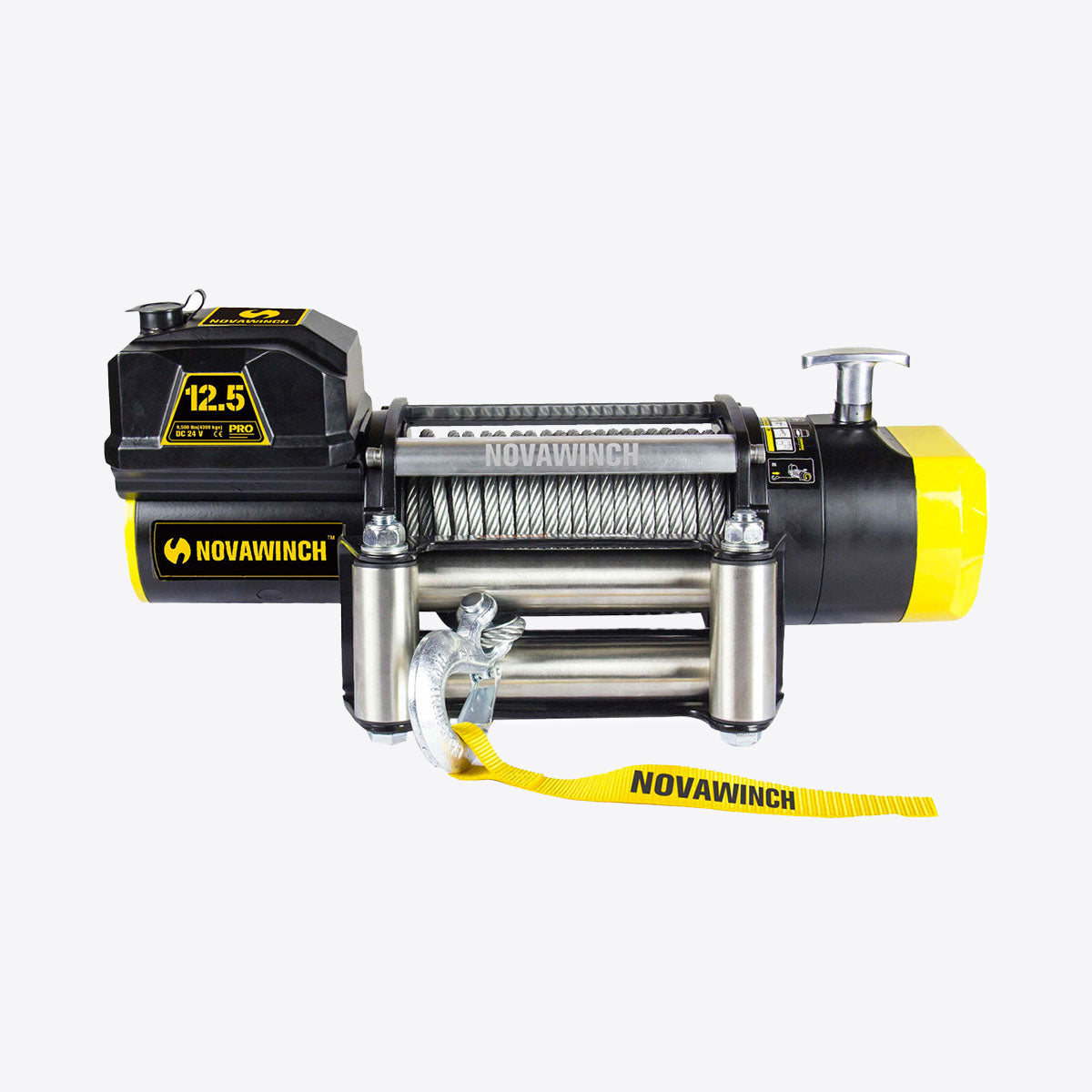
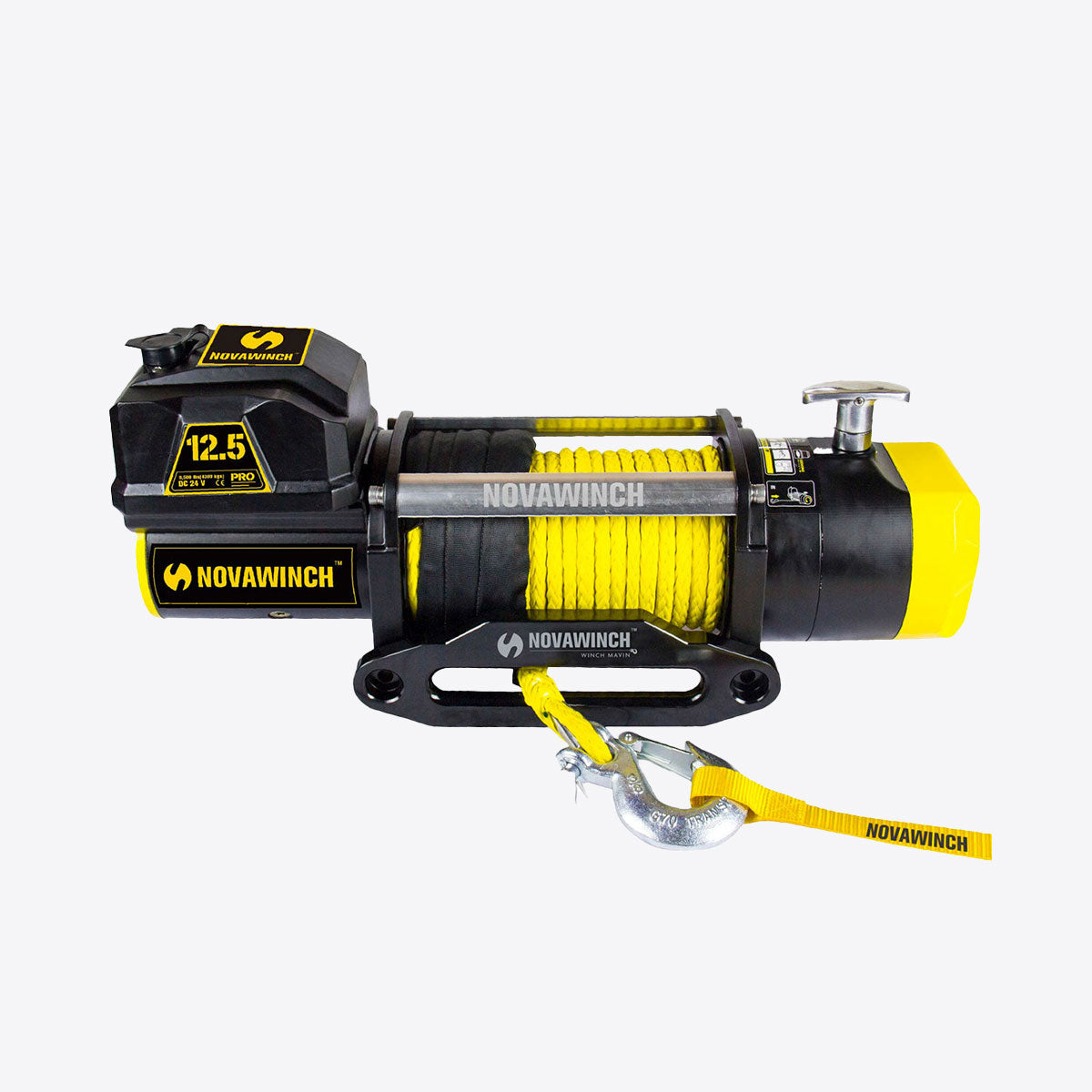
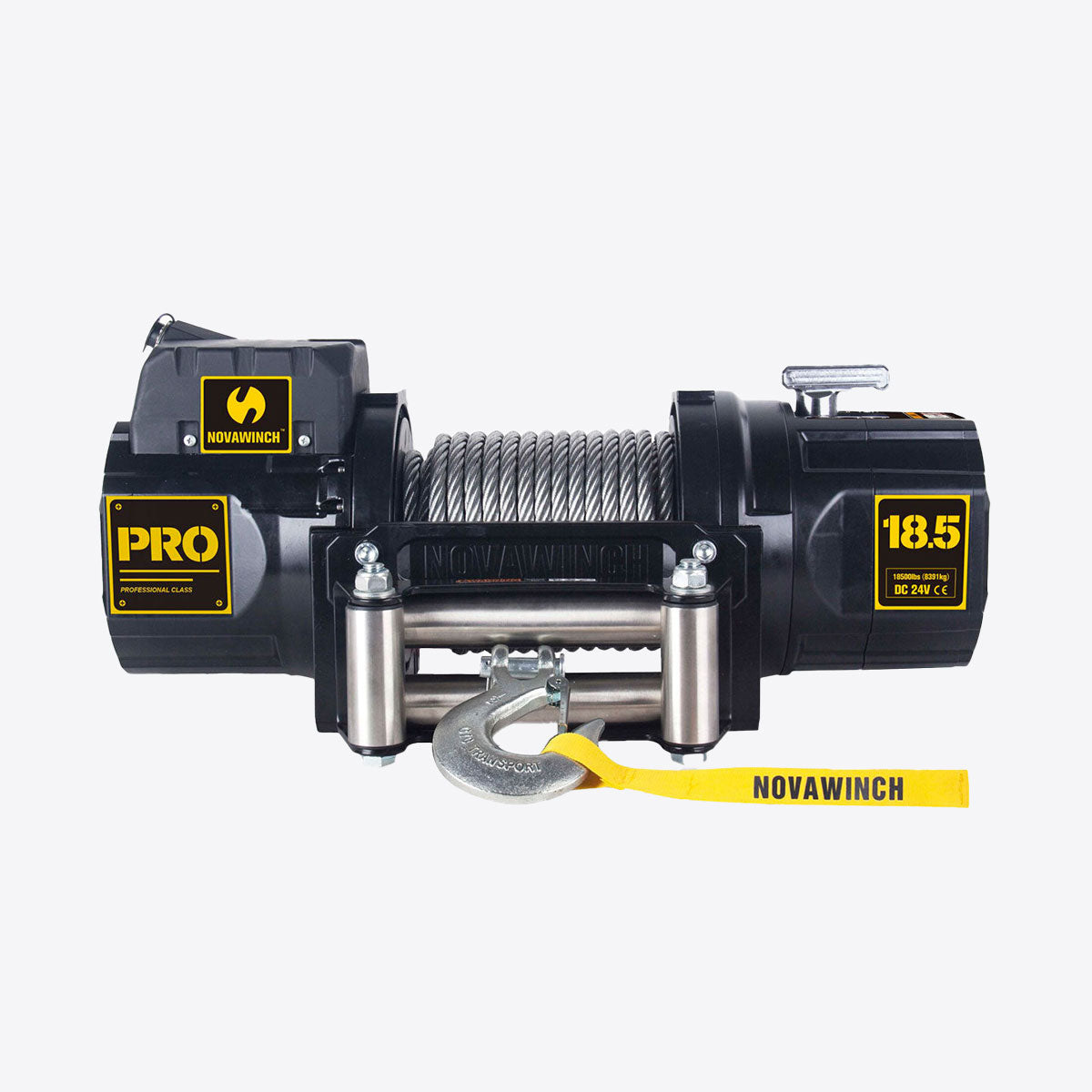
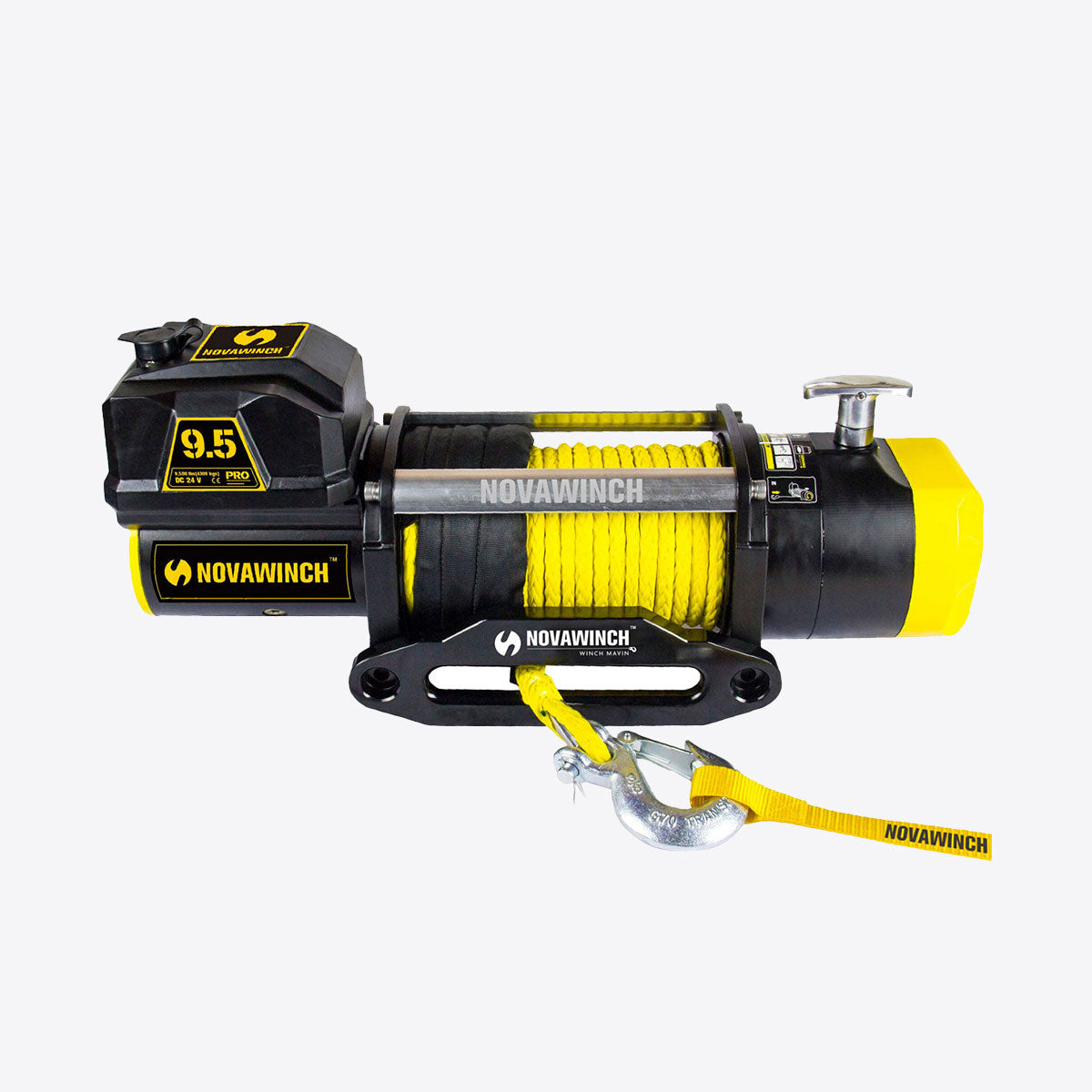
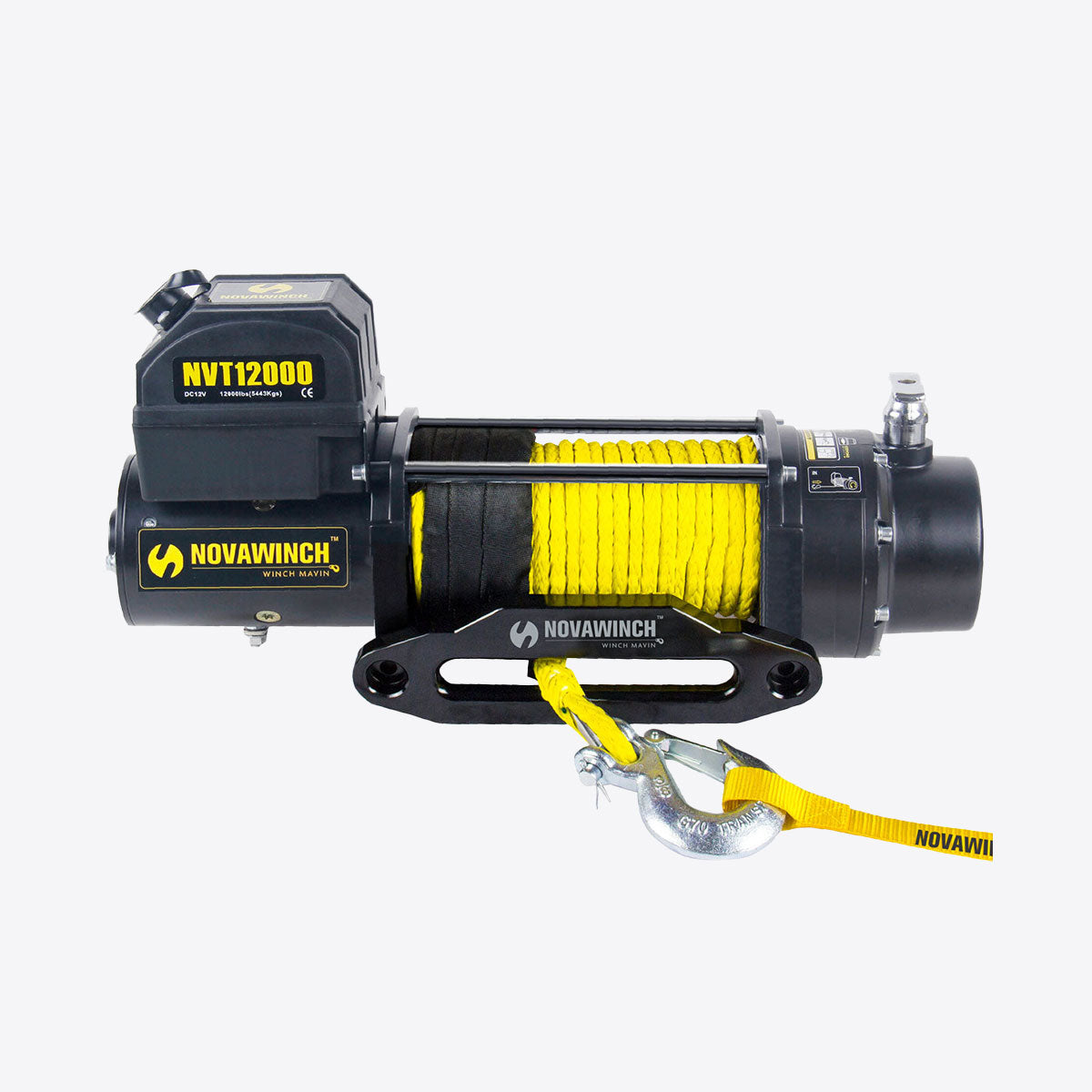
The range includes 12V and 24V electric models with steel wire or synthetic rope. Whether you are preparing a working vehicle or upgrading an off-road 4x4, compare the complete specification before choosing your winch.
Choosing the Right 4x4 Winches
The best winch is not necessarily the model with the highest advertised capacity. Suitable 4x4 winches must match the vehicle, mounting system, electrical supply and expected recovery conditions.
Important points to compare include:
-
Rated pulling capacity: Consider the vehicle, gradient, surface conditions and expected resistance.
-
Operating voltage: Select a model compatible with the vehicle’s 12V or 24V electrical system.
-
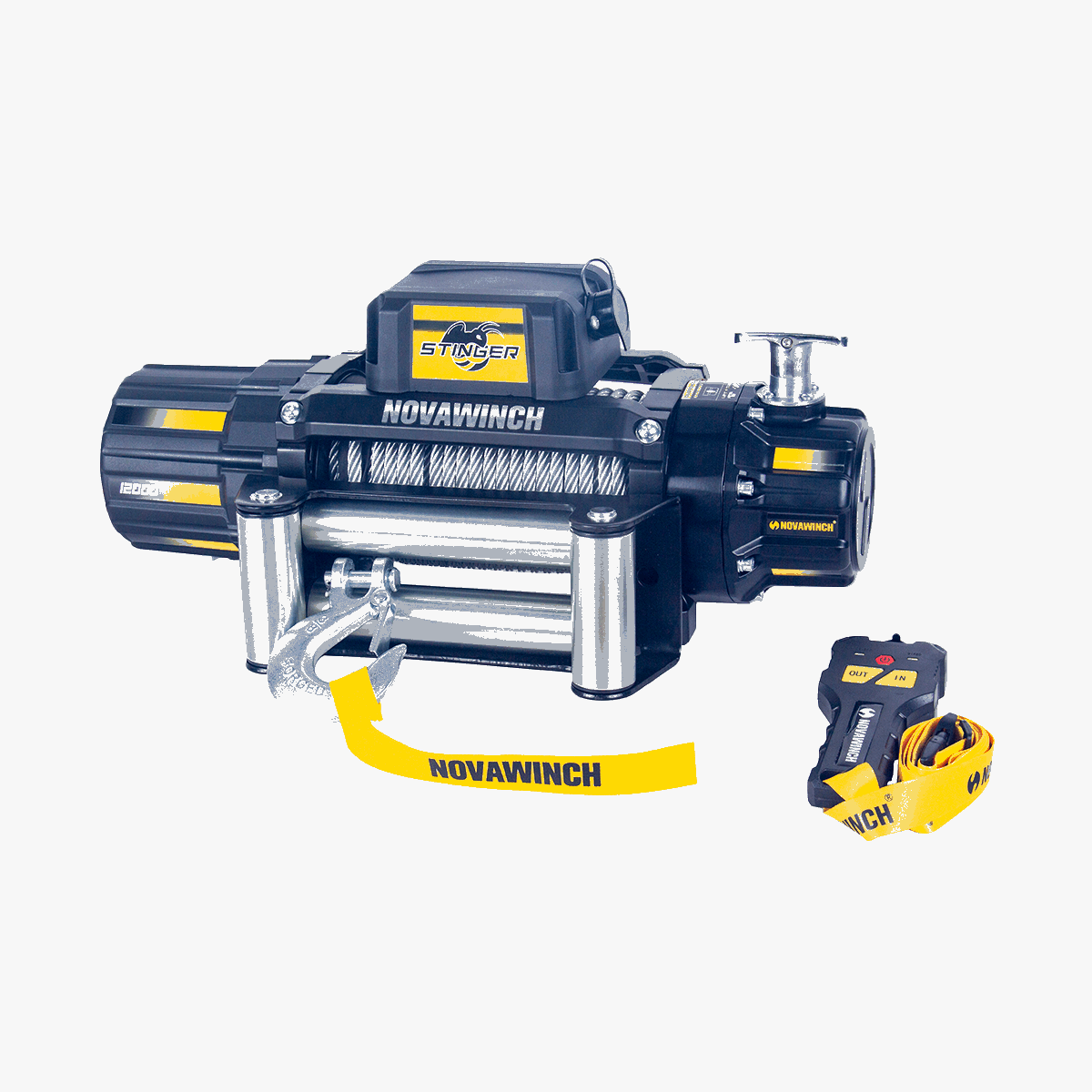
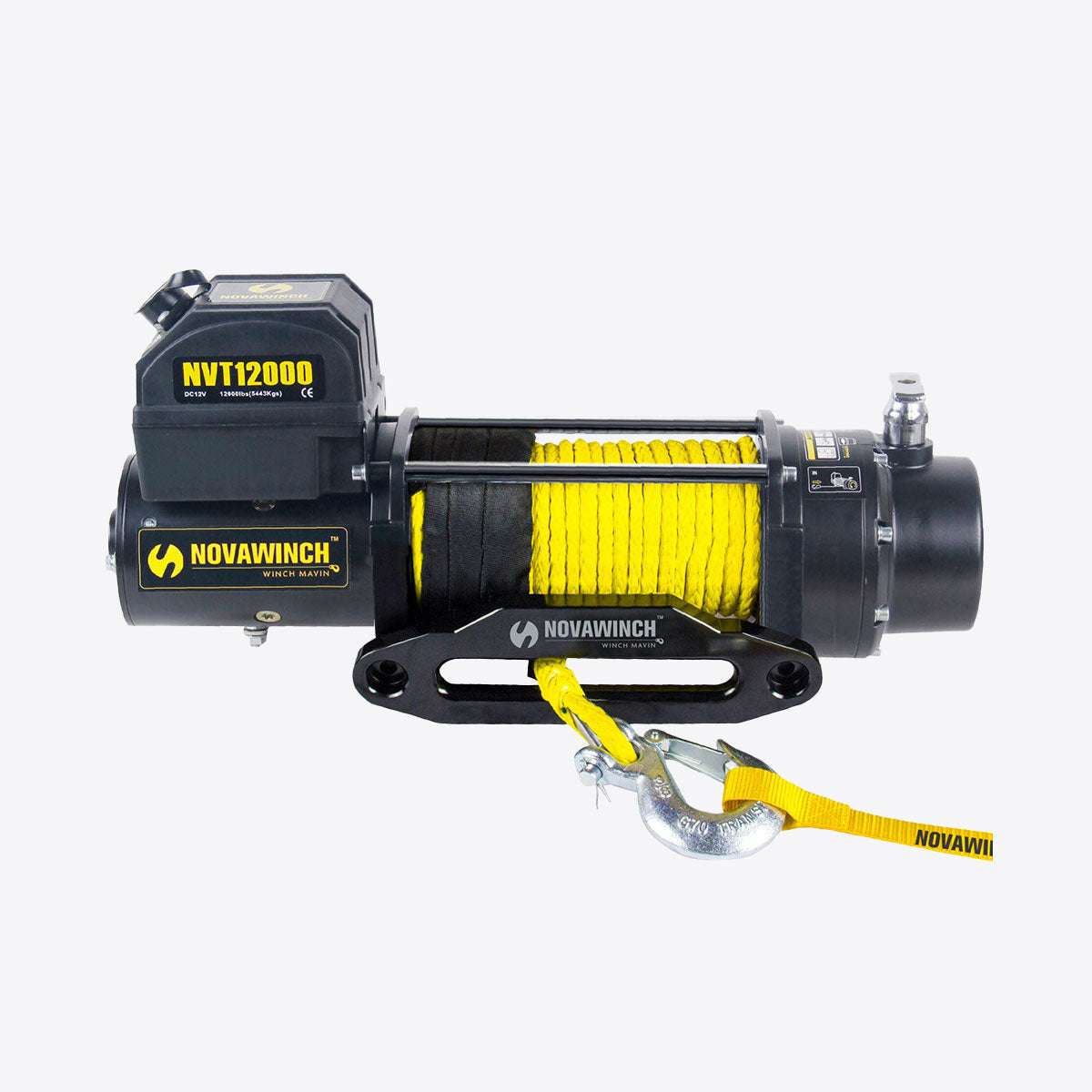
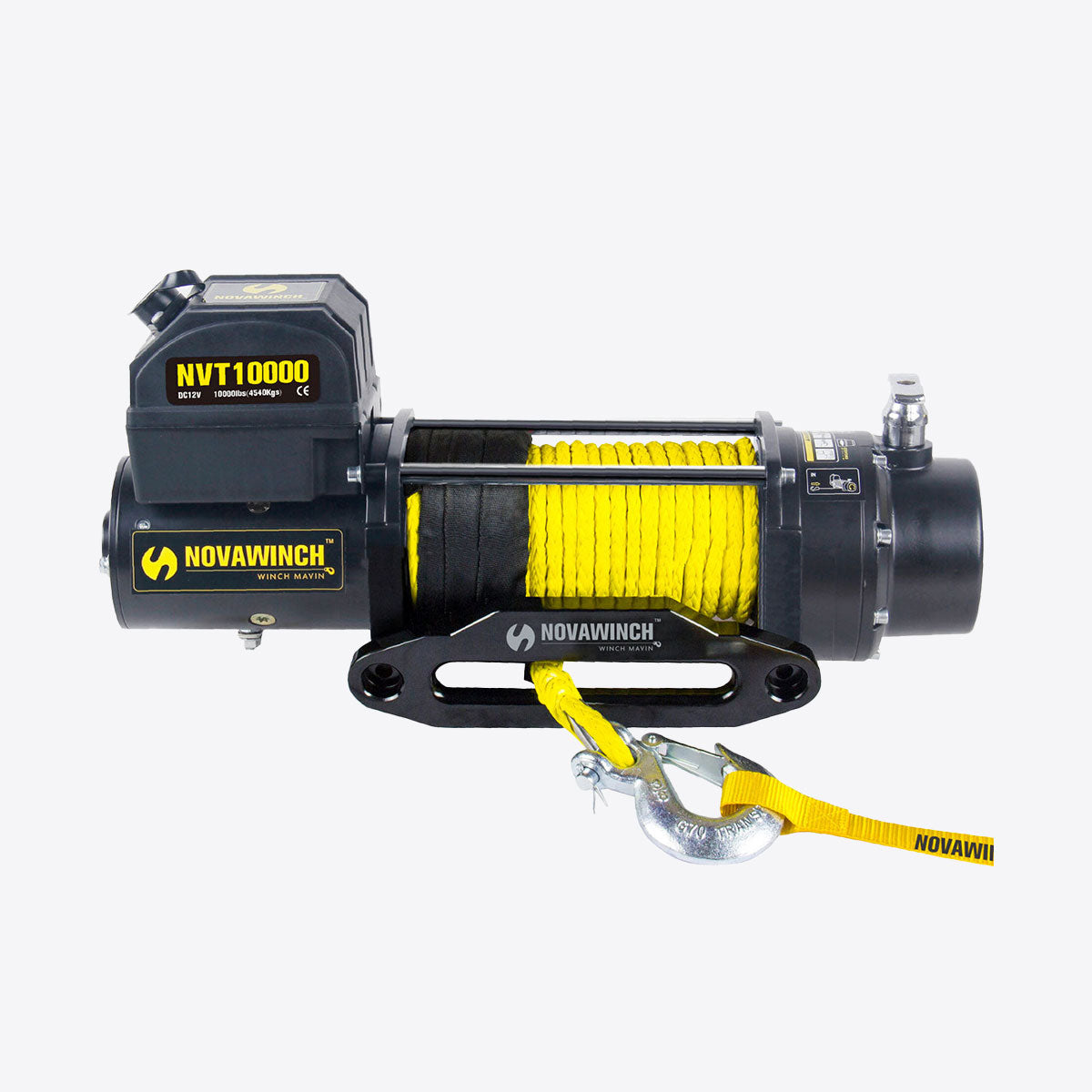
Rope type: Choose between durable steel wire and lightweight synthetic rope.
-
Rope length: Check that the supplied rope suits your typical recovery distances.
-
Mounting dimensions: Confirm compatibility with the winch tray, bumper or mounting system.
-
Controls: Review the included wired or wireless remote-control options.
Browse our wider range of electric winches if you need to compare models beyond those selected specifically for 4x4 use.
12V and 24V Electric 4x4 Winch Models
An electric 4x4 winch must use the correct voltage for the vehicle’s electrical system. A 12V winch is commonly fitted to compatible passenger 4x4s and pickup trucks, while 24V models suit vehicles equipped with a compatible 24V supply.
Voltage does not indicate pulling capacity by itself. Always check the complete product specification, including motor requirements, rated capacity, mounting dimensions and electrical connections. The battery, charging system, cables, isolator and protection devices must also be suitable for the installation.
Steel Wire or Synthetic Rope?
Steel wire rope is durable and widely used for vehicle recovery. It requires careful handling because damaged strands can create sharp edges. Regular inspection and appropriate gloves are essential.
Synthetic rope is lighter and generally easier to handle. However, it must be protected from abrasion, contamination and excessive heat. Neither option is automatically right for every vehicle, so consider how and where the winch will be used.
Replacement options are available from our winch ropes collection. Always confirm that the rope diameter, length and strength are compatible with the winch manufacturer’s requirements.
Selecting a 4x4 Recovery Winch
A 4x4 recovery winch should provide an appropriate margin for the conditions in which it will operate. Vehicle weight is only one consideration. Mud, sand, slopes, damaged wheels and other sources of resistance can significantly increase the pulling force required.
The winch rating may also be based on the first layer of rope around the drum. Available pulling force can change as additional layers build up. Follow the manufacturer’s capacity information and seek specialist advice if the likely recovery forces are uncertain.
Safe Off Road Winch Installation and Use
The winch must be fitted to a mounting system designed to withstand the forces generated during recovery. Professional installation is recommended, particularly where bumper modifications, high-current wiring or additional electrical protection are required.
Before each use, inspect the winch, rope, hook, mounting points and controls. Use suitable rated recovery equipment and follow the winch and vehicle manufacturers’ instructions. People should remain clear of a tensioned rope and the potential recoil area during operation.
For other vehicle and commercial applications, explore all winches available from Rydam.
Buy Off Road Winches from Rydam
Rydam supplies Novawinch off road winches to 4x4 owners, recovery operators and commercial vehicle users throughout the UK. Product listings provide the information needed to compare voltage, pulling capacity, rope type, rope length and availability.
If you are unsure which model is suitable, contact the Rydam team with details of your vehicle, electrical system, mounting arrangement and expected use. We can help you compare the available specifications before ordering.
Frequently Asked Questions
What size winch do I need for a 4x4?
The correct size depends on more than the vehicle’s weight. Consider gradients, surface conditions, rolling resistance and the vehicle manufacturer’s installation limits. Use the winch manufacturer’s selection guidance or request specialist advice when the required capacity is uncertain.
Should I choose a 12V or 24V winch?
Choose the voltage that matches the vehicle’s electrical system and the winch installation specification. A 12V winch should not be connected directly to a 24V supply, or vice versa.
Is synthetic rope better than steel wire?
Synthetic rope is lighter and easier to handle, while steel wire offers durability in demanding environments. Both require inspection and correct maintenance. The right choice depends on the application, working conditions and manufacturer’s requirements.
Can an off road winch be fitted to any 4x4?
Not automatically. The vehicle needs a compatible mounting system, sufficient electrical capacity and appropriate structural attachment points. Check vehicle and winch manufacturer guidance before installation.